Randolph, Massachusetts

Randolph Family Dentistry

Family & cosmetic dentistry from a team that puts your comfort first.

Same day appointment — don’t wait!

Same Day Appointments

Don’t wait — call or book online

(781) 963-0860

Call the office

56 South Main Street

Randolph, MA 02368

Open Mon – Fri

See office hours

Welcome

Welcome to Randolph Family Dentistry!

We know how important having a great smile is to looking and feeling good. That's why Dr. Eyad Salloum, Dr. Lara Haddad and Dr. Edward Massabni and the entire team at our Randolph, Massachusetts dental practice is committed to providing the highest quality in family and cosmetic dentistry.

Leveraging today's latest technology, our Randolph MA dentists can create results that change how you look and feel. Whether you need a routine checkup, or more advanced procedures like a smile makeover, our dental practice offers a wide variety of procedures to uniquely fit your needs. In addition, our friendly staff ensures your visit to the dentist is affordable and comfortable. If you are searching for a Randolph family dentist or a Randolph cosmetic dentist – look no further, contact us today at (781) 963-0860.

We invite you to look around our site to learn more about our Randolph dental practice to see how we can be an integral part of your dental care. We know that the first step towards a beautiful smile begins with selecting a Randolph dentist that you can rely on. Don't hesitate to give us a call if you have any questions, or if you would like to schedule an appointment.

Learn about our Randolph, MA family dental practice

Our practice is committed to providing you with the highest quality and best service in dental care. In order to do so, we pride ourselves on staying committed to the following values:

01

Delivering Results

First and foremost, we are focused on results. Randolph dentists Dr. Eyad Salloum, Dr. Lara Haddad and Dr. Edward Massabni understands how important your smile is to how you look and feel, and we pride ourselves on delivering the highest quality of dentistry in Randolph, MA. Our years of education and experience have given us the training to work at the highest level. This training, when combined with our focus and attention to detail, enables able to provide the best possible treatment for our patients.

02

Commitment to Service

We know that many patients are often uncomfortable when visiting the dentist. Our goal is to create an atmosphere of comfort and care for your dental treatment. In order to do so we have created a warm and relaxed atmosphere at our Randolph, Massachusetts office. Additionally, our friendly staff are committed to ensuring you feel at ease during your visit.

03

Patient Education

We know that we can do our job only when our patients feel comfortable with us and our services. In order to maintain a high level of trust, we carry out an open dialogue with our patients, keeping them in the loop on what procedures we are doing, and why. By educating them on all the various options available, our Randolph dentists can create a treatment plan that is right for their unique needs.

04

Staying Current

When choosing a dentist in Randolph, it is important to make sure they stay current with new procedures and technology as the dental industry evolves. Our dentists and hygienists stay up to date by attending lectures, conferences, and reading industry literature. This helps us provide our patients with the most up to date information and options. Additionally, we ensure that our Randolph dental office is equipped with the latest in dental technology.

A mother, father and young daughter laughing together outdoors

Meet your Randolph, MA dentists

Excellent dental care starts with trust and compassion.

At our practice, we believe excellent dental care starts with trust and compassion. Our dentists combine advanced training with a gentle, personalized approach to help every patient feel at ease. From preventive visits to restorative and cosmetic treatments, they’re dedicated to creating healthy, confident smiles that last a lifetime.

Beyond their skills, our dentists value building genuine connections with patients of all ages. They take time to listen, answer questions, and design care plans tailored to your needs. We invite you to meet the doctors who make our office special—you’re in great hands here.

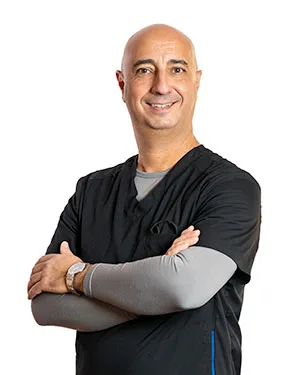
Eyad Salloum, DMD

Dentist

Eyad Salloum, DMD

Eyad Salloum received his dental degree from Tufts University School of Dental Medicine in 2000. He also carries a specialty degree in fixed prosthodontics (crown and Bridge) from Damascus University. An active member of the American Dental Association, the Massachusetts Dental Society, and the New England Academy of Cosmetic Dentistry (NEACD). Dr. Salloum enjoys playing tennis, swimming, and spending time with his family.

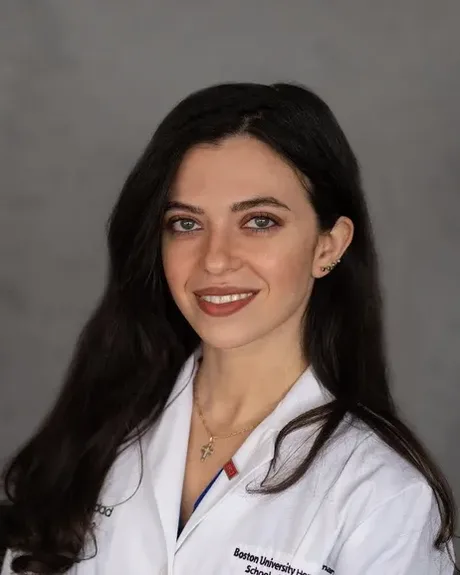
Lara Haddad, DMD

Dentist

Lara Haddad, DMD

Dr. Lara Haddad earned her first dental degree from Jordan University of Science and Technology. Then, she moved to the United States and completed an advanced degree at Boston University School of Dental Medicine. She is fluent in both Arabic and English. Dr. Haddad is passionate about providing excellent dental care, ensuring her patients' comfort and well-being. She is skilled in various dental procedures such as root canals and crowns. During her free time, she enjoys spending time with family and friends, reading, and traveling to different places.

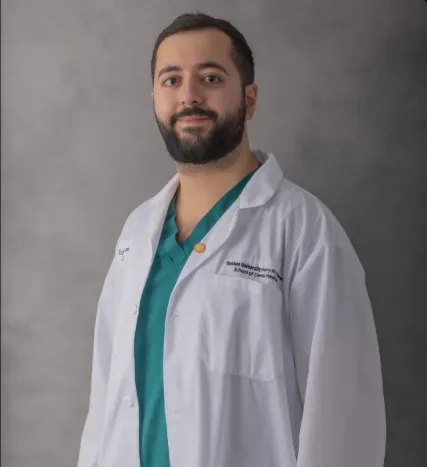
Edward Massabni, DMD

Dentist

Edward Massabni, DMD

Dr. Edward Massabni received his Bachelor of Science degree in Psychology with a focus in Neuroscience from the University of Massachusetts Amherst. After undergraduate college, he worked for a year as a dental assistant before attending dental school and he received his DMD degree from Boston University, Henry M. Goldman School of Dental Medicine. Dr. Massabni has a certification from the American Board of Laser Surgery in soft and hard tissue removal. Dr. Massabni also has extensive Cerec training and is an active member of the American Dental Association Dr. Massabni prides himself on his communication with patients, his comprehensive approach to treatment, and his willingness to continue learning about the newest advances in dentistry, in order to always give patients the most advanced dental treatment In his free time, Dr. Massabni loves to travel, watch and play sports, study financial markets, and spend quality time with his friends, family, and dog.

Specialists in our office

Jesse Lemoine, DDS

Periodontist

Jesse Lemoine, DDS

Dr. Jesse Lemoine is a dedicated periodontist passionate about oral health and patient care. He earned his Doctor of Dental Surgery (D.D.S.) degree from New York University College of Dentistry in 2018. Dr. Lemoine then pursued advanced training at Boston University Henry M. Goldman School of Dental Medicine, where he completed a Certificate of Advanced Graduate Study (CAGS) and Master of Science in Dentistry (MSD) in Periodontics in 2024. Dr. Lemoine is a member of the American Academy of Periodontology (AAP), demonstrating his commitment to staying current with the latest advancements in periodontal care. He is dedicated to providing his patients with the highest quality of care and strives to create a comfortable and welcoming environment in his practice. Outside of dentistry, Dr. Lemoine enjoys traveling, cooking, playing golf, and watching baseball. He values spending time with his family and friends, and he is always eager to explore new places and cuisines. Dr. Lemoine’s diverse interests and commitment to excellence make him a valuable asset to the field of periodontics.

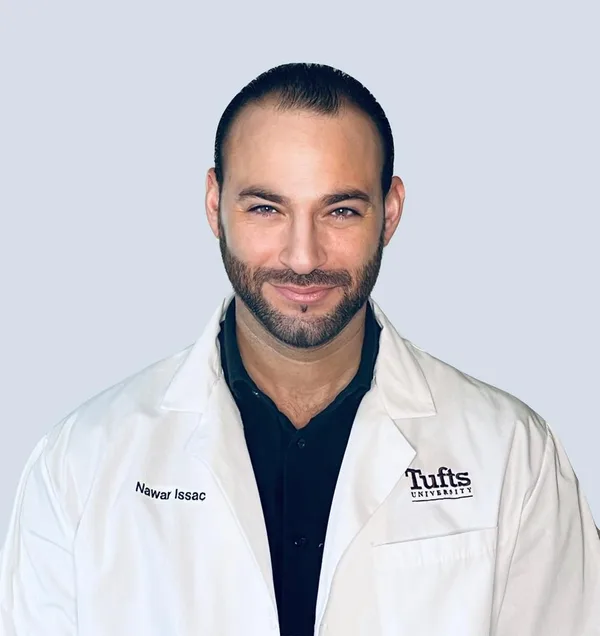
Dr. Nawar Issac

Oral Surgery

Dr. Nawar Issac

Dr. Nawar Issac is an oral surgery provider with over 18 years of focused experience. He practices across multiple private offices in Boston and the surrounding areas of Massachusetts. After completing his dental and surgical training in Syria and the UK, he continued his education at Tufts University School of Dental Medicine. Dr. Issac has also received advanced training in sedation techniques at Saint Joseph Hospital in New Jersey. Known for his calm and precise approach, he manages complex surgical cases with a high level of skill and attention to patient comfort. Dr. Issac serves as a faculty member at the Harvard School of Dental Medicine, where he mentors dental students in oral surgery procedures. What he values most about dentistry is the ability to combine technical excellence with thoughtful patient care, making a meaningful impact on each patient’s experience. Outside of work, he enjoys playing the guitar, values family, and has a deep love for dogs.

Meet the staff

Our friendly Randolph, MA dental office staff

The first thing you’ll notice when you walk into our Randolph family dental practice is the incredibly friendly and inviting atmosphere. Members of our staff have been hand-picked to provide you the best possible experience during your visit to the dentist. Learn more about our team below.

Rita Masouh

General Manager

Rita Masouh

Rita has been with Randolph Family Dentistry since the beginning. Her support of the practice and understanding of the office systems is invaluable. Because of her experience and extensive knowledge of front desk protocol, she can solve even the most difficult problems when they arise. Rita greatly enjoys spending time with family and friends, as well as traveling to new destinations around the globe.

Leen Salloum

Office Manager

Leen Salloum

Leen joined Randolph Family Dentistry in June 2022. She is a graduate of Curry College Class of 2022 with a major in Public Health and Wellness. She is passionate about healthcare administration and is an ambitious team player. Leen takes the initiative to provide quality service and attention to our patients throughout their dental care journey. Her diverse background made her an excellent member of our team, and a successful office manager. Leen enjoys spending time with family and friends. She loves to travel, especially to her home country Syria.

Kelly Young

Registered Dental Hygienist

Kelly Young

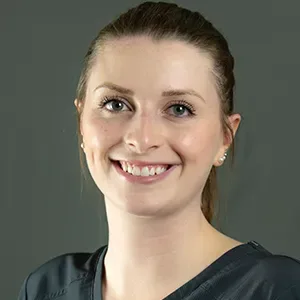
Kelly graduated from Forsyth School of Dental Hygiene in 2018 with her Bachelor’s degree in Dental Hygiene. She is currently back at MCPHS University working to get her Master’s of Health Science in their graduate program. When Kelly joined our office, we quickly realized she would fit right in. Her kind smile and contagious laugh helps our patients feel at ease when they come for their hygiene visits.

Melissa Agyemang

Registered Dental Hygienist

Melissa Agyemang

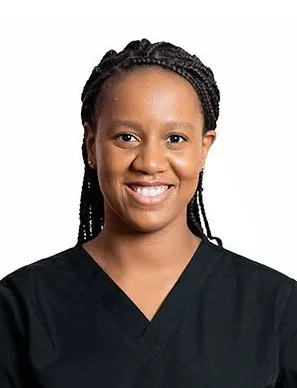
Melissa is a graduate of Massachusetts College of Pharmacy and Health Sciences, Forsyth School of Dental Hygiene Class of 2010. She has been working with Dr. Salloum since 2018. Her calm demeanor and exceptional clinical skill make her a perfect fit for our team. When not in the office, Melissa enjoys photography - especially landscape and portrait - as well as traveling with her husband to California and Europe.

Megan Jordan

Registered Dental Assistant

Megan Jordan

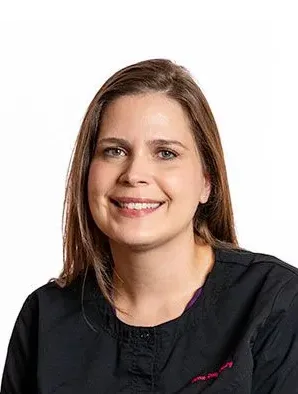
Megan found her place in the dental field after completing the Dental Assisting program at Lincoln Technical Institute. She has worked in the field for many years and began at Randolph Family Dentistry in 2020. Megan is cross-trained as both a Dental Assistant and Receptionist; she loves to connect with patients. Her bubbly personality helps patients feel at ease at our practice. Megan spends her downtime antiquing or bonding with her family. She is always ready for winter weather and can be found outside as soon as the first snowflake falls.

Wendy Gavin, CDA, EFDA

Dental Assistant, Infection Control Compliance Officer

Wendy Gavin, CDA, EFDA

Wendy has been with Dr. Salloum since 2001, after graduating from Southeastern Technical Institute that same year. She has excellent rapport with patients and assists our general dentists and in-office specialists so patients feel more comfortable during procedures with a familiar face. As our Infection Control Compliance Officer, Wendy ensures our practice is meeting and exceeding infection control best practices. Even after a long day of work, Wendy loves to spend time with her family – including her 9 grandchildren. When not enjoying her time outdoors, she can be found baking scrumptious cupcakes for everyone.

Our services

Randolph teeth whitening, veneers & dental implants — and everything in between.

Our clinic performs a wide variety of services to help you get the smile you deserve. By leveraging today’s advanced techniques and technology, our Randolph dentists can restore your beautiful smile to help you maintain your youthful appearance. Whether you need to get a tooth filled, have crooked teeth, or need a complete smile makeover, we can offer a treatment plan that’s right for you. Read below to learn more about some of the procedures we offer.

Routine dental cleanings are important to maintaining good oral hygiene. Professional cleaning by a hygienist can remove mineralized plaque that may develop even with careful brushing and flossing, particularly in areas that are difficult to reach. It is recommended you go in for a cleaning once every six months.

How it's done

You can expect your dental cleaning to last between 30 minutes and an hour. Typically, a trained hygienist will do the cleaning, and a dentist may come in for an exam at the end. Most people find that dental cleanings are painless, and do not cause any discomfort.

There are two important steps to a dental cleaning. The first step is scaling the teeth, whereby the hygienist will remove the plaque and tartar from the tooth surfaces. This can be performed by hand or with electric scalers depending on the hygienists preference.Typically, the hygienist will also clean the pockets of the gums to remove any plaque buildup there.

The second step is polishing to remove any final plaque and buff the teeth. Polishers generally have several different sized heads to clean hard to reach places.

Schedule a visit

Routine dental exams are important to maintaining healthy teeth and gums. Additionally, they can help to avoid the financial costs associated with large treatment plans later on. The Academy of General Dentistry recommends twice yearly checkups for people of all ages. At this frequency, most problems can be caught while they remain in an early stage.

How it's done

The dentist first examines your mouth visually, using dental equipment such as mouth mirrors, assorted dental tools, and high intensity lights. They will look for cracked and decayed teeth, as well as review other important items such as:

  • Medical history: The dentist will assess how any new medical conditions or illnesses may affect your dental health.
  • Examination of tooth decay: Your mouth will be checked for cracked or decayed teeth.
  • Oral cancer screening: The face, neck, lips, tongue, throat, tissues, and gums will be checked for any signs of oral cancer.
  • Gum disease evaluation: Your gums and bone around the teeth will be checked for any evidence of periodontal disease.
  • Examination of existing restorations: Current fillings, crowns, and other restorations are made sure to be in good order.

Additionally, your dentist will take diagnostic x-rays to reveal any other hidden problems, especially in the areas below the gums. Bitewing x-rays are typically taken every 12 months and a panographic x-ray, which revolves around the head, is taken every 3-5 years.

Schedule a visit

When treating a cavity, the dentist will remove the decayed portion of your tooth and fill it with another substance. This procedure is called a filling. There are multiple options for the material to be used in the filling, the most common of which are composite fillings and amalgam fillings.

A composite filling is also known as a tooth colored filling, since the material used in the filling can be closely matched to the color of your teeth. Composite fillings provide good durability for small to medium cavities, and the procedure typically involves removing less of a tooth than you would during an amalgam filling. They are also particularly well suited for treating front or highly visible teeth because of their natural look.

When can a composite filling be used for?

  • Decayed tooth (i.e. cavity)
  • Chipped or broken teeth
  • Decreasing the gap between teeth

How its done

After the dentist numbs the area where the filling is to be placed, he will remove any decayed portions. A substance is then applied to help open up the pores of your teeth for a stronger bond, and hardened and cured with a special light. Once this is complete, the filling is applied in thin layers to slowly form the complete filling. After the composite has hardened, the filling will be smoothened and polished to be comfortable and fit your bite.

Schedule a visit

Root canal therapy is treatment used to repair and save a tooth that has been infected due to a deep cavity or cracked tooth. The treatment involves removing the pulp and the nerves of the tooth, and cleaning the infected area. A tooth's pulp and nerve are not important to a tooth's health and function after the tooth has fully emerged from the gums. If the treatment is not performed, bacteria builds up at the root tip and the infection of the pulp can spread to the surrounding bone. The results in pain and swelling, and your tooth would likely have to be removed.

What are the signs that a root canal is needed?

  • Severe tooth pain while chewing
  • Your tooth pain wakes you up at night
  • Teeth that are highly sensitive to hot or cold, with the sensitivity lingering for some time.
  • Discoloration or darkening of the tooth
  • Swollen gums in the area of the infected tooth

What does the treatment involve?

First, an opening is made into the pulp chamber through the crown of the tooth.. Once the pulp is removed, the root canal is thoroughly cleaned. If the dentist decides to complete the root canal therapy in multiple visits, a temporary filling will be placed to protect the tooth. When you return, the dentist will remove the temporary filling, re-clean the root canal and pulp chamber, and place a permanent filling and / or crown over the tooth.

Root canal therapy has a high rate of success any many teeth undergoing the procedure can be saved to last a lifetime. Additionally, the crown or filling placed the completion of the procedure makes it hard to notice by others that you had the treatment.

Schedule a visit

A dental extraction is the procedure to remove a tooth from your mouth. A dental extraction is most commonly required if one of your teeth is damaged beyond practical repair. The most common reasons for tooth extractions include:

  • Severe tooth decay or infection may make it impossible or too costly to repair a tooth
  • Advanced gum disease may required a tooth to be pulled so it doesn’t affect the supporting tissues and bone structures of your mouth
  • A tooth may be extracted if it is blocking other teeth from coming in
  • During orthodontic work, teeth may need to be extracted to create room for the teeth that are being moved into place
  • Wisdom teeth are often extracted either before or after they come in


What to expect

Your dentist will first administer anesthetic to numb the area and reduce discomfort. During the extraction, you will feel the pressure of the tooth being removed, but will not feel any pain. Typically, the dentist is able to remove your tooth within a matter of minutes.

Immediately after the tooth extraction, a small amount of bleeding is normal and patch of gauze will be placed in the affected area. The area may bleed minimally for the next 24 hours or so and taper off after that. Follow your dentist's instructions on how often to change the gauze, and what other post-procedure steps to follow.

Schedule a visit

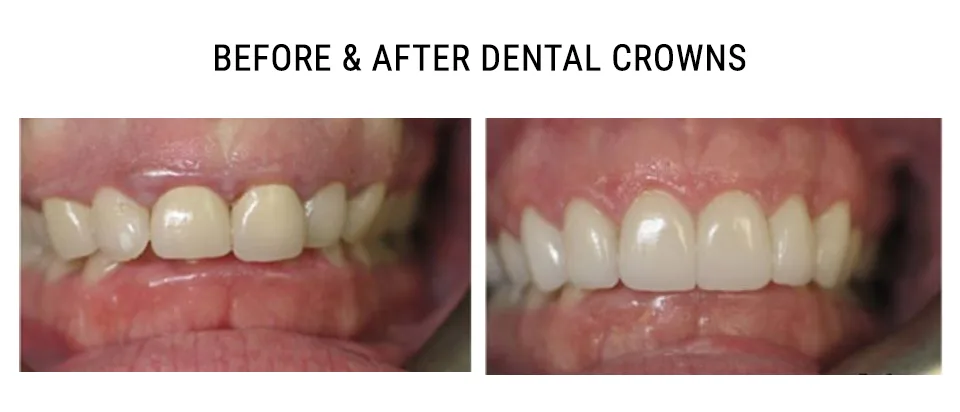
Compared to fillings which just cover a small portion of a tooth, a crown (or cap) encases the entire visible portion of a tooth. In effect, the crown acts as the tooth's new outer surface.A dental crown is used when a tooth is broken or decayed to such an extent that fillings aren't able to repair the problem. The crown is able to provide a protective shell around the damaged or decayed tooth to strengthen it, as well as to improve the appearance of the tooth. They can also help restore a tooth to it's original shape, are used commonly for teeth that have been broken. While crowns come in different materials, the most common crowns typically have some mixture of porcelain in them to give them a look and feel similar to a natural tooth.

How it's done

The first visit to your dentist involves reshaping the tooth and taking impressions to create the crown. Typically a portion of your tooth will have to be removed for the crown to fit properly. After the dentist reshapes your tooth, they will use a special material to create an impression of it. This impression will be sent to a dental laboratory to be made into a permanent crown. Before sending you home, the dentist will provide you with a temporary crown to cover your tooth in between visits.

When you return, your dentist will have received the permanent crown from the laboratory. They will remove the temporary crown and fit the new permanent one. Before cementing the permanent crown in place, they will ensure that it fits comfortably and matches the color of your teeth.

Schedule a visit

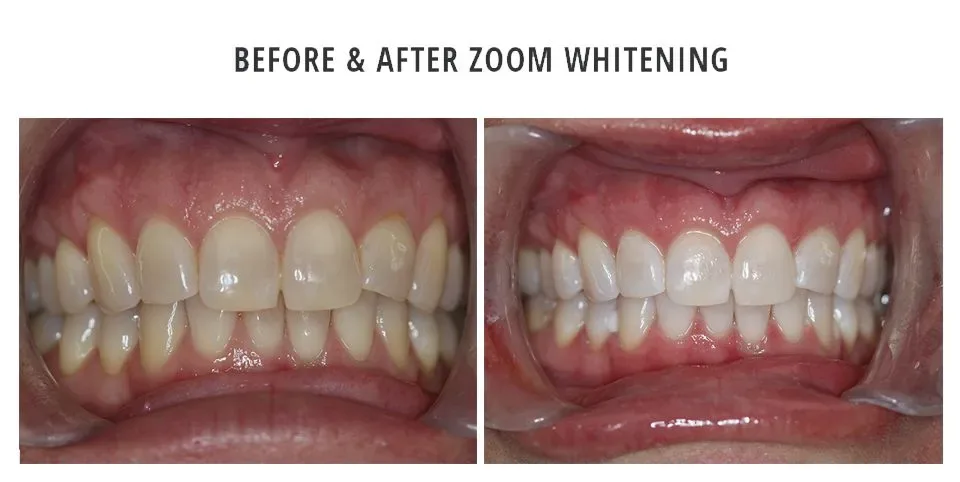
Our teeth can discolor through the years as our enamel wears down. The wearing down of enamel allows dentin, a yellow color substance that makes the core of our teeth, to show through. This is what gives our teeth a yellowish tint. Teeth whitening helps restore teeth to a shiny white color through the use of bleach.

Teeth whitening methods

There are two popular teeth whitening options available through your dentist. The first, in-office teeth whitening, produces a significant color change in your teeth in a short amount of time, usually within an hour. The procedure is done at the dentist's office by applying a high-concentration peroxide gel on the teeth after they have been protected with a special shield.

The second method, involves the use of take home whitening kits. These whitening kits are purchased from your doctor for use at home. The strength of the gel used in these kits is lower than that used for in-office bleaching, and thus the gel can be applied for longer periods of time. Usually the trays are worn a couple hours a day or overnight for a few days or weeks depending on the product.

Its best to consult your dentist to understand which whitening option is best for you.

Schedule a visit

A dental bridge is a false tooth that is used to fill the gap created by a missing tooth or teeth. A gap between your teeth can be potentially dangerous to your dental health, as it can cause your teeth to shift resulting in a change in your bite that could be painful. Dental bridges help alleviate this problem by using the two surrounding teeth as anchors to hold a false tooth in the place where the gap is. Typically, porcelain crowns are placed over the surrounding teeth, and the false tooth, known as a pontic, is fused between them.

Types of dental bridges

There are three types of dental bridges that are commonly used today

1. Traditional fixed bridge - This is the most common type of dental bridge, in which porcelain crowns are placed over the two surrounding teeth and used as anchors to hold the fale tooth in place. The false tooth is usually made of either porcelain fused to metal or ceramics.

2. Cantilever bridge – A cantilever bridge is used when teeth are present on only one side of the gap. These are used typically in areas of your mouth that doesn’t experience an intense chewing load, such as your front teeth.

3. Resin-bonded bridge - In a resin-bonded bridge, metal bands are bonded to the surrounding teeth with resin and used to hold a plastic false tooth in place. This type of bridge is typically used in areas of the mouth that undergo less stress, such as the front teeth.

How it's done

A minimum of two visits are required for placing a dental bridge. At the first visit, three important steps are completed. Firstly, the surrounding teeth are prepared to be fitted with a crown. This may including filing down the tooth so that the crown can fit over it. Secondly, an impression is taken of your teeth which will be sent to a laboratory to prepare the bridge and crown. Finally, the dentist fits your teeth with a temporary bridge to protect them while the bridge is prepared at the laboratory.

At the second visit, the temporary bridge is removed and the new bridge received from the laboratory is fitted and adjusted. Multiple visits may be necessary to check and adjust the fit.

Schedule a visit

Dental veneers are thin custom made shells that cover the front surface of your tooth to improve their appearance. They are made of tooth colored materials and can be used to improve the color of teeth that have been worn down or stained. Alternatively, they can be used to improve the shape or size of the tooth.

Types of veneers

There are two types of veneers that are commonly used. Porcelain veneers are more durable, and resist stains better. The properties of the material also helps to create a very natural tooth look. Unlike porcelain veneers, composite resin veneers are not made in a laboratory, but instead directly applied to the teeth. They typically have a shorter life span, and are less expensive.

When should you consider dental veneers?

You can talk to your dentist about dental veneers if

  • Your teeth are stained or discolored
  • Your teeth are crooked or misshapen
  • Your teeth have spaces between them
  • Your teeth are broken or chipped

How its done
Two visits to your dentist are typically required for porcelain veneers. At the first visit, three important steps are completed. Firstly, the your teeth is prepared to be fitted with a veneer, which will involve trimming a portion of the tooth so the veneer can be bonded on top. Secondly, an impression is taken of your teeth or tooth which will be sent to a laboratory to prepare the veneer. Finally, you may receive a temporary veneer depending on how much of your tooth structure was removed. This temporary veneer will protect your tooth while the permanent veneer is prepared at the laboratory.

At the second visit, the temporary veneer, if you received one, will be removed. Then, the new veneer received from the laboratory will be checked to see if it fits well. It's best not to adjust porcelain veneers after they are bonded to your teeth, so any adjustments will be made beforehand. Once you and the dentist are satisfied with the look and feel of the veneer, it will be bonded to your tooth.

Schedule a visit

Dental Bonding is a restoration procedure in which a tooth-colored resin is bonded to a tooth and cured with an ultraviolet light. Bonding is faster and less expensive than veneers or crowns, and can thus be a good option to make small cosmetic improvements to your teeth. Unlike veneers and crowns, bonding can be done within one office visit since nothing has to be custom made by a dental laboratory. Additionally, the procedure typically requires removing less of the tooth enamel compared to veneers and crowns. However, since bonding typically doesn’t last as long as other forms of restoration and is less resistant to stains, it is used more often for small cosmetic touch ups rather than major restorations.

How its done

The bonding procedure typically requires between 30 to 60 minutes to complete for each tooth. First the dentist determines exactly what color shade your teeth are to select a resin that will blend it naturally. Once this is done, the dentist will prepare the tooth so the bonding material will adhere easier. This involves roughening the surface of the affected tooth and applying a liquid conditioner. Once this is complete, the dentist will apply the resin to the tooth, and cure it in place using an ultraviolet light. Finally, the dentist will apply the finishing touches by shaping and polishing the resin for a good fit.

Schedule a visit

Dental inlays and onlays are a more conservative approach to tooth restoration than full crowns. The are used to repair rear teeth that have mild to moderate tooth decay, or for cracked teeth where the damage does not warrant a dental crown. Porcelain, composite resin and sometimes gold is used to create inlays and onlays. Inlays refer to those procedures where the bonded material is limited to the center of the tooth, while onlays refer to those procedures where the bonded material can extend further to one or more cusps of the tooth.

What are the benefits of inlays and onlays?

Natural look: Inlays and onlays have a natural tooth color that makes them virtually invisible compared to metal fillings.
Great fit: Inlays and onlys will not expand or contract based on temperature like metal fillings.
Longevity: Inlays and onlays can last up to thirty years, longer than any other type of filling.
Minimal tooth structure removed: Inlays and onlays require the minimal removal of a tooth’s surface, helping to preserve the maximum amount of healthy tooth structure while restoring decayed or damaged areas.

How it’s done
Typically, two visits are required for the placements of inlays and onlays. In the first visit, your dentist will take an impression of your tooth, which will be sent to a lab to create the permanent inlay or onlay. Before you leave, he will fit your tooth with a temporary inlay / onlay to keep the tooth protected between visits. During your second visit, the dentist will remove the temporary protective material and fit your tooth with the permanent inlay or onlay received from the lab.

Schedule a visit

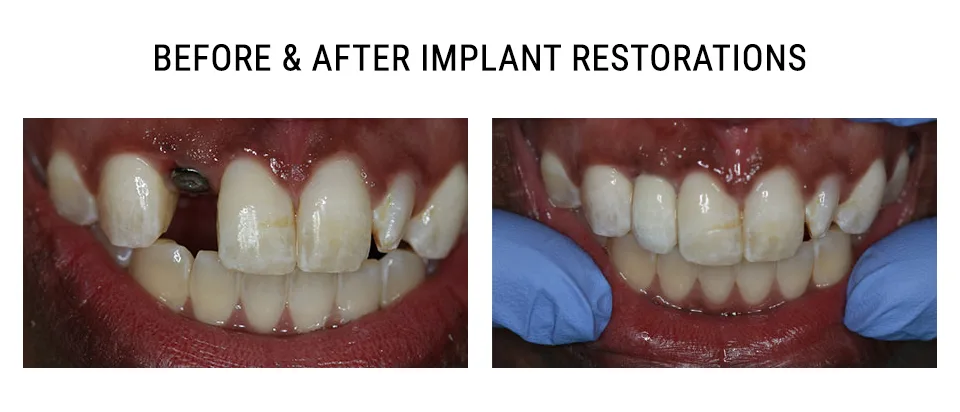
Dental implants are becoming an increasingly popular method for replacing missing teeth. In this procedure, titanium supports are surgically fused with your jawbone, and act as an anchor for naturally looking false teeth. Dental implants are not only used for individual tooth replacement, but can also be used when replacing multiple teeth as an alternative to dentures.

Advantages of dental implants

  • Implants are extremely natural looking
  • Fusion of the implants into your jaw make them very stable and comfortable compared to traditional dentures
  • They last a lifetime

Disadvantages of dental implants

  • Implants are expensive and a major financial investment
  • The process of getting implants can be time consuming and requires multiple visits to the dentist
  • There is a chance the surgery fails (roughly 5% of the time)


Types of implants

Your dentist will be able to tell you which of the three types of implants is right for you:

  • Root form implant: This is the most common type of implant where the screw is shaped like the root of a tooth.
  • Plate Form Implant:A plate form implant has a flat and long shape and is better suited for a narrow jawbone.
  • Subperiosteal Implants: In some cases where there is not enough bone width or height for the root form or plate form implant, a subperiosteal implant may be prescribed. This type of implant is designed to sit on top of the bone, but under the gums.
Schedule a visit

Denture Basics: Information for First-Time Denture Wearers

We all hope our natural teeth will last a lifetime. But when this isn’t possible, dental professionals can offer a number of options to restore oral function and appearance.

Thanks to advances in polymer science, the vast majority of dentures are now made with extremely high-quality, durable plastic, and are stronger, more comfortable, and more natural looking than ever before. In short, these are not your grandmother’s dentures!

Denture Basics

A wide variety of dentures is available for individuals who are missing some or all of their teeth.

Complete dentures replace all of the teeth on the upper and/or lower jaw and rest on the gums that cover the jawbone. These dentures can be made more secure when attached to one or more tooth roots (overdenture) or to dental implants (implant overdenture). Some implant overdentures can be removed by the wearer and others can be removed only by a dental practitioner.

Partial dentures replace only some of the teeth and attach to the remaining natural teeth with clasps or mechanical components known as attachments (precision and semi-precision partial dentures, also called attachment partial dentures.) Your dentist or prosthodontist (a dentist who specializes in restoring and replacing teeth) will help you decide what type of denture and treatment plan are best for you.

Denture Types Defined

  • Conventional dentures: Replace all missing teeth in a jaw and rest on the gum tissue
  • Conventional overdentures: Replace all missing teeth, rest on the gum tissue, and are also supported with attachment to one or more tooth roots
  • Implant overdentures: Replace all missing teeth in a jaw and connect to surgically placed dental implants
  • Conventional partial dentures: Replace some missing teeth and are held in place with clasps that wrap around adjacent teeth
  • Precision and semi-precision partial dentures (also called attachment partial dentures): Replace some missing teeth and are held in place with mechanical components called attachments

Getting Your Dentures: The Process

The types of treatments needed before dentures can be placed and the amount of time those treatments take will vary depending upon a person’s overall oral health, the number and location of missing teeth, and the type of denture selected to replace those teeth. These treatments can include:

  • Impressions or molds of the contour of the mouth, used as a model for the denture
  • Extractions to remove any unhealthy teeth
  • Implant surgery for those receiving implant overdentures
  • Adjustments to achieve the best fit and level of comfort once dentures are placed.

Individuals who require extractions or implant surgery will need to wait several weeks for the mouth to heal before dentures can be placed. For some people, a temporary or “immediate” denture can be placed in the mouth on the same day extractions are performed, and worn until the permanent denture is fitted.

What to Expect: Getting Used to Your Dentures

It takes some time to get used to the feeling of dentures in your mouth, after which you should be able to comfortably eat, speak, and smile. The following is normal when complete dentures are initially placed in the mouth:

  • A feeling of fullness in the mouth, face, lips, and/or cheeks, which will subside quickly.
  • Temporary minor changes in speech sounds, which will be more apparent to you than to others.
  • Tip: Speaking slowly and enunciating precisely helps the tongue and facial muscles adapt more quickly.
  • Changes in chewing patterns while getting used to the jaw movements required for chewing with dentures, which may take several weeks.
  • Tip: Start with small pieces of soft food, gradually increasing the food’s firmness, and chew food on both sides of the mouth simultaneously with only your back teeth. A small amount of denture adhesive may help to stabilize your dentures.
Schedule a visit

At Randolph Family Dentistry, your oral health is always our top priority. One of the most common issues we treat is gum disease, also known as periodontal disease. This condition occurs when bacteria and plaque build up along the gumline, causing inflammation, bleeding, and, if left untreated, damage to the bone and tissues that support your teeth. Early detection and treatment are essential to protecting both your smile and your overall health. Our gum disease therapy is designed to stop the progression of the disease, restore gum health, and prevent future problems. Treatment often begins with a deep cleaning procedure called scaling and root planing. During this process, we carefully remove plaque and tartar from below the gumline and smooth the tooth roots to help gums reattach and heal. In some cases, additional treatments—such as localized antibiotics or advanced periodontal procedures—may be recommended depending on the severity of the disease. Our team takes every step to ensure your comfort throughout treatment. We use modern techniques and gentle care to make your experience as stress-free as possible. Following therapy, we’ll also work closely with you to develop a personalized maintenance plan that includes professional cleanings and at-home care tips to keep your gums healthy long-term. Gum disease is a serious condition, but with proper treatment, it is manageable. If you’ve noticed signs such as bleeding gums, persistent bad breath, or gum recession, we encourage you to schedule an appointment. Together, we can protect your smile and help you maintain strong, healthy gums for years to come.

Schedule a visit

At Randolph Family Dentistry, we understand how frustrating and painful jaw problems can be. Temporomandibular Joint Disorder (TMD), often referred to as TMJ, affects the joints that connect your jaw to your skull. When these joints or the surrounding muscles are not working properly, it can lead to discomfort, difficulty chewing, headaches, and even neck or shoulder pain. Our goal is to identify the root cause of your symptoms and provide effective, personalized treatment. During your visit, our dentists will carefully evaluate your bite, jaw movement, and any areas of pain or tenderness. This allows us to create a customized plan designed to relieve discomfort and restore proper function. Treatment for TMD varies depending on your needs. In many cases, a custom oral appliance—also known as a night guard or splint—can help reduce strain on the jaw by keeping it in a more relaxed position. This device is comfortable to wear and helps prevent clenching and grinding, two common causes of TMJ pain. We may also recommend lifestyle adjustments, gentle jaw exercises, or physical therapy to improve mobility and reduce tension. For more advanced cases, additional treatments may be necessary, but our team always takes a conservative approach first, focusing on non-invasive options whenever possible. Throughout your care, we’ll monitor your progress and make adjustments to ensure the best results. Living with TMJ pain doesn’t have to be your normal. If you’re experiencing jaw discomfort, clicking or popping sounds, headaches, or difficulty opening and closing your mouth, contact Randolph Family Dentistry today at (781) 963-0860. With the right care, we can help restore comfort, protect your teeth, and improve your quality of life.

Schedule a visit

New patients

Information for new patients

Welcome to Randolph Family Dentistry! To help us provide you with the best possible care, please take a few moments to complete your patient forms online before your visit. This information allows our team to understand your medical history, dental needs, and personal preferences so we can make your appointment smooth, efficient, and tailored just for you.

Your privacy is important to us—your information is secure and confidential. Completing your forms ahead of time helps save time at check-in and allows our dentists and staff to focus on what matters most: your comfort and your smile.

Thank you for taking a few minutes to fill out your forms. We look forward to seeing you soon!

Schedule Online
A smiling couple relaxing on a boat

FAQs

Questions about family or cosmetic dentistry?

Below is a list of some of the questions we get asked most frequently from our patients. If you have a question that isn’t answered below, feel free to give our Randolph, MA dental practice a call and we’ll be happy to assist you.

Taking Care of Your Teeth and Gums

You should visit the dentist at least twice a year. A dental exam can reveal early signs of decay and disease that you may not see or feel. Catching these conditions early can help control them before them get worse and harder to treat. Additionally, getting a cleaning by a trained professional will remove plaque in areas you may have missed or cannot reach.

You should brush at least twice a day, once in the morning and once before going to bed. You should floss once a day as well.

The following guidelines are important to brushing correctly.

1.Firstly, make sure to use a soft bristled brush. Hard bristled brushes can wear down the enamel of your teeth.

2. Place your brush at a 45 degree angle to your gumline. Bristles should contact both the tooth surface and the gumline.

3. Use short back and forth strokes or tiny circular movements to brush your teeth. Each movement should be no bigger than the size of each tooth.

4. Make sure to use gentle strokes while brushing. Gentle strokes are effective in removing plaque, while too much pressure can wear down the enamel of your teeth.

5. Brush all surfaces of each tooth, including the outer, inner, and the chewing surfaces of the teeth.

6. Finally, don't cut your brushing short! Make sure to brush for at least 2 minutes.

The following guidelines are important to flossing correctly.

1. Take 18" of floss and wind it around the middle finger of each hand .You can use these fingers to take up floss as it becomes dirty. Using your thumb and forefinger, pinch the floss leaving 1-2 inches in between for cleaning.

2. Gently move the floss up and down the spaces of your teeth. Never snap the floss down onto your gums, as it can cause damage.

3. As you move the floss down into the space between two teeth, slide it up and down against the surface of one tooth. Gently clean at the gumline as well.

4. Repeat this process for all of your teeth.

Plaque is a sticky, clear film which forms every day on teeth from food debris and bacteria. If plaque is not removed, it can lead to gum disease and cavities. Regular dental check ups, along with brushing and flossing every day, can help prevent plaque buildup on teeth. In addition, avoiding sugary snacks and eating a balanced diet can help control plaque.

Periodontal (Gum) Disease

Periodontal (gum) disease is an infection of the gums and bone that hold your teeth in place. Typically, periodontal disease occures when plaque builds up on the teeth and hardens, often due to poor brushing habits. The gums can become swollen and red in the early stage of the disease, called gingivitis. As the disease advances, periodontal disease can lead to sore and bleeding gums, pain while chewing, as well as tooth loss.

The following are signs of periodontal (gum) disease, and you should contact your dentist if you experience any of these:

  • gums that bleed while brushing
  • red, swollen or tender gums
  • gums that have pulled away from the teeth
  • bad breath that doesn't go away
  • pus between your teeth and gums
  • loose teeth
  • a change in the way your teeth fit together when you bite
  • a change in the fit of partial dentures

Periodontal disease can be prevented by practicing good oral hygiene. This includes brushing, flossing, and visiting you dentist regularly. Also make sure to eat a healthy diet to get the required vitamins and minerals necessary for your teeth.

Teeth Whitening

While our teeth start out pearly white, they can discolor through the years as our enamel wears down. The wearing down of enamel allows dentin, a yellow color substance that makes the core of our teeth, to show through. This is what gives our teeth a yellowish tint.

Below are the three most popular teeth whitening options available today.

In-office teeth whitening

In-office teeth whitening works by producing a significant color change in your teeth in short amount of time, usally within an hour. The procedure is done at the dentist's office applying a high-concentration peroxide gel on the teeth after they have been protected with a special shield.

Professionally Dispensed Take-Home Whitening Kits

These whitening kits are purchased from your doctor for use at home. The strength of the gel used in these kits is lower than that used for in-office bleaching, and thus the gel can be applied for longer periods of time. Usually the trays are worn a couple hours a day or overnight for a few days or weeks depending on the product.

Over the counter whitening

Over the counter teeth whitening kits are store-bought and use a lower concentration gel than both in-office bleachin and take-home kits purchased from your doctor. While they are less expensive, they typically are less effective than methods that can be performed by your dentist because of the low concentration gel. Additionally, over the counter trays are not custom fit for your teeth, which can result in irritation to your gums while wearing the trays.

Teeth whitening usually lasts from one to three years before darkening of the teeth is noticed. Additionally, once your teeth have been initially whitened, typically only "touch ups" are required to maintain the whiteness.

Other Common Questions

Bad breath is caused by a variety of factors, including the types of food you ingest, periodontal disease, dry mouth, and other causes. Going to your dentist will help you determine the cause of your bad breath, so that you can take steps to elminate it.

Regardless of the cause of your bad breath, good oral hygiene and regular checkups to the dentist will help reduce it. Brushing and flossing will eliminate particles of food stuck between your teeth which emit odors. It will also help prevent or treat periodontal disease (gum disease), caused by plaque buildup on your teeth, which can lead to bad breath. Dentures should be properly cleaned and soaked overnight in antibacterial solution (unless otherwise advised by your dentist). Finally, make sure to brush your tongue regularly to eliminate any residue.

You should visit the periodontist three times a years. A dental and periodontal exam can reveal early signs of decay and periodontal disease that you may not see or feel. Catching these conditions early can help control the disease process before it gets worse and harder to treat. Additionally, getting a cleaning by a trained professional will remove plaque in areas you may have missed or cannot reach.

ALWAYS remember to brush your teeth after every meal and floss at least once a day. Make sure to use toothpaste that contains fluoride, and ask your orthodontist or family dentist if you need a fluoride rinse. This will help prevent cavities! If you take out your retainer to eat, make sure you brush your teeth, floss, and remember to keep it safe in its container so that it does not get lost or broken. Keep your retainer clean, too, by brushing it gently with a toothbrush and toothpaste. You may also soak it in denture cleaner as instructed by your orthodontist. Do not put your retainer in boiling water or in the dishwasher. During your treatment, try to avoid foods with a lot of sugar, which increases the amount of bacteria that grows in your mouth, causing more plaque and possibly cavities. Avoid sticky and chewy foods (caramel, chewing gum, gummy bears), hard foods (hard candy, nuts, ice cubes), or any foods that could possibly get stuck in your braces (corn on the cob, soft bagels, ribs, taffy, etc.). Be sure to schedule your routine checkups with your family dentist. It is recommended that you continue to visit the dentist every six months.

Playing an instrument or a contact sport may require some adjustment when you first get your braces, but wearing braces will not stop you from participating in any of your school activities. If you play a contact sport, it is recommended that you wear a mouthguard to protect your braces or appliance.

With braces, you should brush your teeth at least three times a day to keep your teeth, gums, and mouth healthy and clean. Brushing regularly will help remove any food that may be caught between the braces. You should also floss daily to get in between your braces where your brush isn't able to reach. Your orthodontist can show you how to properly brush and floss once your braces are placed.

Today, braces can be a fashion statement. At times, instead of traditional metal braces, contemporary looking braces can be used. For Self-ligating braces, which require no elastic ties, can possibly reduce the number of orthodontic visits. There are several types of so-called "invisible braces." Some of these are "clear/transparent" in color but work like traditional metal braces. In addition, there are a series of invisible mouth guard like appliances (not really braces) that patients can remove to eat and clean. The choice of appliance is somewhat dependent on the arrangement of the crooked teeth.

Orthodontics is the specialty of dentistry concerned with the straightening of teeth to correct functional or cosmetic issues. Using specially designed and fitted appliances, constant and gentle pressure is applied to the teeth causing them to move into the desired position. While orthodontic appliances were traditionally, made of metal, orthodontists now provide patients with the option of metal, ceramic, or plastic appliances. Such appliances can be removable or bonded to the teeth, based on the patient’s wants and the doctor’s recommendation. The movement of the teeth is triggered by a static yet gentle force which slowly shifts the teeth in a controlled direction. Braces are no longer an unpleasant impediment. Today, orthodontists provide their patients with top of the line products which are less painful, appearance-abusive, and much more effective! With the option of selecting between metallic or ceramic brackets, the color of the ties holding the brackets, and the style of braces, orthodontists have made wearing braces fun and easy!

Although treatment it is rarely needed at this age, the American Association of Orthodontists (AAO) recommends an orthodontic screening for children by AGE 7. This is around the time that jaws are developed enough to predict if treatment will be needed in the future. Having an early screening allows pediatric dentists and orthodontists to assess and monitor the development of the patient before a problem occurs. When you have time on your side you can plan ahead and prevent the formation of serious problems by intervening when necessary

When teeth are first moved, mild discomfort may result. The sensation usually lasts about 24 to 72 hours. Patients report a lessening of discomfort as the treatment progresses. Medicines such as acetaminophen (Tylenol) or ibuprofen (Advil) may be taken to alleviate the discomfort.

• Upper Front Teeth Protrude Excessively over Lower Teeth or Are Bucked • Upper Front Teeth Cover the Majority of Lower Teeth When Biting (Deep Bite) • Upper Front Teeth Are behind/inside Lower Front Teeth (Underbite) • Upper & Lower Front Teeth Don't Touch When Biting (Open Bite) • Crowded or Overlapped Teeth • Center of Upper & Lower Teeth Doesn't Align • Finger- or Thumb-Sucking Habits Continue after Age 6 or 7 • Difficulty Chewing • Teeth Wearing Unevenly or Excessively • Lower Jaw Shifts to one Side When Biting • Spaces between Teeth

Yes, you should continue to see your general dentist for cleanings and dental checkups. During orthodontic treatment, some dentists suggest adding an additional cleaning to the hygiene schedule to the common two times a year schedule.

Taking proper care of your dentures helps to ensure that they last as long as possible and that your mouth remains healthy.

Clean and Soak

Removable dentures should be taken out at bedtime, cleaned, and soaked in a water-based cleaning solution overnight to keep your mouth healthy, remove food and plaque, and minimize staining. Dentures should be cleaned only with dish washing liquid or denture cleanser applied to a moistened denture brush or soft toothbrush, and all surfaces, inside and out, should be gently scrubbed. Individuals with implant overdentures need to practice especially careful oral hygiene, with thorough cleaning of the gums, attachment mechanism, and overdenture.

Keep Those Appointments!

Periodic examinations are key to maintaining oral health and ensuring that your dentures continue to function properly. In addition to routine exams, see your dental professional to:

  • Address sore spots and irritations
  • Remove stubborn stains that don’t come off with routine cleaning
  • Repair broken dentures
  • Determine if dentures need to be replaced (usually needed every 4 to 8 years).

  • Cost
    Fees for denture-related services vary widely. Speak to your dental professional and contact your state or local dental society about any available resources.

    Your Beautiful Smile

    Communicating your needs, concerns, and expectations will help your dental professional provide you with the treatment plan and dentures that are best for you—giving you peace of mind, good oral health, and a reason to smile for years to come.

Reviews

Testimonials about our Randolph dentists

We believe that our patients are the best judges of the quality and service of our dentistry in Randolph, Massachusetts. Read what our patients are saying about us below.

★★★★★

I highly recommend anyone searching for top dental care to go to Randolph family Dentistry. The dental care, both routine and specialized is outstanding. I have had extensive work done with excellent results.

Dr. Salloum is an incredibly talented and honest dentist. He is patient, kind and tremendously skilled. I’ve been to several dentists during my lifetime, and no one comes close in comparison. His wonderful team is incredibly friendly and helpful in every way possible. The hygienists give the most thorough and painless cleaning you will ever have. The office is very neat and clean, and they take every precaution to make you feel very safe during the pandemic. They have been very friendly and accommodating. So glad I found this practice.

— Sarah M.
★★★★★

Great experience! Almost no wait time in the waiting room. They are very gentle with the cleaning and amply make sure you’re comfortable. I have to get an implant and the dentist was extremely thorough in his explanation as to why I would need it and going through all my other options that I could take. Overall I had an awesome first experience and I will absolutely be going to Randolph Family Dentistry going forward.

— Joe S.
★★★★★

I just had my yearly checkup appointment last week at Randolph Family Dentistry. Everyone is friendly and professional. Kelly was genuinely nice and did a great job with the cleaning. Dr Salloum also was very caring and took the time to address my concerns. Highly recommended.

— Sanaa Y.
★★★★★

I had an accident late at night that left me with half of my front tooth missing. I texted the emergency dentist (Dr. Salloum) the next morning and he saw me within an hour of me texting him last minute on a day off. The way he fixed my tooth was masterful. The process was painless (in fact, I started to even fall asleep at one point) and I can’t even notice that half of my original tooth was gone. I cannot recommend Dr. Salloum enough.

— Jared K.
★★★★★

The Dentist Hygienist Kelly was great.
she was amazing .. made my visit easy and efficient. Barely pain at all This was the best

— Nate G.
★★★★★

This practice is very nice ; staff are friendly.

Dentists and hygienists are very good and professional.

Dr. Massabni is awesome, I highly recommend this practice

— Sahar D.
★★★★★

Very good customer service and professional, they took very good care of me and making me feel comfortable.

— Henso J.
★★★★★

Customer service at its finest. I had an awesome experience. The dentist was very helpful explaining everything I was getting done. They really made me feel comfortable and the office is very cozy, but the biggest thing is... they have late hours so they work around your schedule, thanks Rita.

— Jennifer R.
★★★★★

I enjoyed my visit for teeth cleaning and for a crown replacement. I loved it very much since the personnel were very professional and patient. Dr. Humzah Mahmood is an excellent professional and he worked on the procedure explaining to me the process step by step. I felt very comfortable. Megan, his assistant, is an expert on what she does being very attentive to my needs. Rita and Cindy, working in the reception area, did an awesome job and made feel welcome. I highly recommend Randolph Family Dentistry without any reservations!

— Mafy L.
★★★★★

Been a patient for 3 years here..They are Professional,caring and willing to answer any and all questions.From the front desk to dental chair ! I believe my teeth are in good hands At this Dental Practice

— Paul T.
★★★★★

I have been going to Dr. Loguercio for so many years and I have been a little concerned to meet the new owner but I just had a white filling done few days ago and it was a great experience . Dr.Salloum took his time explaining the procedure and took his time doing the injection, which I usually hate the most, and the whole procedure was painless. Very comfortable experience.

— Peter C.
★★★★★

I cannot begin to explain how amazing the staff and doctors here are. They are knowledgeable, patient, and kind. They go above and beyond to make sure you’re getting the best care possible!

— Gyrell T.
★★★★★

This is by far the friendliest dentist I’ve ever been to, the staff is amazing, and for the first time ever I had work done and felt no pain what so ever. Simply put, I will never go anyplace else

— Willie F.
★★★★★

I have been getting my teeth cleaned here for 3 years and could not be happier. Kelly is excellent and super friendly, and the rest of the staff is always happy and helpful.

— Keith A.
★★★★★

Painless novocaine, I was very nervous to get my first filling as I hate needles.

Dr.Salloum was very kind and reassuring, he explained the procedure to me and used the numbing gel before the shot.

I did not feel a thing, I’ll be a lot more relaxed at my next visit .

— Niba A.
★★★★★

The staff is awesome from the time you arrive to the dental services you need, I am always greeted graciously from the front staff them Ladies are very pleasant and then the services the staff is very informative with you dental care and very pleasant, I absolutely feel comfortable with my dental care and services never nervous, if you need a dental services I DEFINITELY recommend Randolph dentistry, you will receive 5 star care

— Nadine W.
★★★★★

Amazing experience all around! Such a friendly and knowledgeable staff. I felt everyone took their time answering all my questions and explaining each procedure. So happy I made the switch!

— Jen L.
★★★★★

It couldn’t be any better, good reception, good interaction, good understanding and comfort, great gentle cleaning service. Thank you very much and thanks to my referral Syndi

— Johnny D.
★★★★★

As a patient of Dr. LoGuercio for 30+ years , I was very apprehensive about the "new' dentist, Dr. Salloum . I am a "chicken" when pain/discomfort is involved and have had very uncomfortable procedures in the past , so fear of the unknown had me very nervous about the new practice . My adult daughters had appointments w/ Dr. Salloum first and could not praise him enough so knowing that I needed more crown work , I decided to bite the bullet !! I was truly shocked , not only did Dr. Salloum explain everything , he was very respectful of my nervousness , BUT most importantly he was so gentle right from the get-go !! I was amazed how gently he administered my novocaine and how patient and considerate he was throughout my dental "ordeal" for my double crown prep - I used to cry on my way home from previous appts., not any more , I no longer dread going to the dentist !!! My follow-up appt for my permanent crowns went just as smoothly , I'm so happy that I decided to stay @ RFD and I highly recommend not only Dr. Salloum , but also his staff, they were excellent in helping me w/my dental insurance!!

— Robin G.
★★★★★

Everyone is very friendly and courteous. Kelly does a great job cleaning my teeth and doesn’t hurt!

— Carol M.
★★★★★

I always enjoyed coming to this place, friendly staff and professional as well. The rooms are very clean. I highly recommend.

— Bill S.
★★★★★

Everyone is always so great, especially Kelly. She's awesome!

— Jesse W.
★★★★★

I was treated well by Kelly, and I got a second opinion from Dr. Salloum. It was very good.

— Daniel O.
★★★★★

The people working in Randolph Family Dentistry, very professional and courteous very friendly and acomodaiting, thanks for all the help

— Selso R.
★★★★★

Great service. Specially Kelly who is a such nice hygienist.

— Thai T.
★★★★★

I appreciate you all in the clinic I was satisfied , excellent job

— Marie Z.
★★★★★

Could not recommend this practice more highly - excellent experience!

— Jim P.
★★★★★

Staff is always friendly and they have a team that I trust

— Anderson G.
★★★★★

Great check up!! No cavities!!

— Lynda D.
★★★★★

Friendly, clean, and accommodating!

— SAndra P.
★★★★★

Second to none

— John N.

Contact us

Questions about dental services in Randolph, Massachusetts?

Feel free to contact us if you have any questions, suggestions, or would like to schedule an appointment with a dentist in Randolph. We look forward to hearing from you.

Randolph Family Dentistry

Office hours

Monday7:30AM – 7PM
Tuesday7:30AM – 5PM
Wednesday8AM – 5PM
Thursday7:30AM – 7PM
Friday7:30AM – 1PM
This site is an independent promotional redesign built by Wicked Fast Web to demonstrate our work — it is not officially affiliated with, endorsed by, or paid for by the business shown here. No subscription or payment is attached. If you're the owner and have questions, want to make it official, or want it taken down, get in touch. Prefer to just grab time on my calendar? Book a 15-minute call.